Who We Are
IFNHP advances food and nutrition policy that improves lives by joining rigorous research with community knowledge.
Mission
Advancing rigorous, partnership-driven research that strengthens food and nutrition policy to improve health and well-being.
Vision
Nourished communities through evidence-driven solutions.
Our Values
Community
We center the knowledge, priorities, and dignity of the communities our work serves, and we share power at every stage.
Meaningful Work
We pursue research that matters, questions with the potential to change policy and improve lives.
Responsibility
We hold ourselves accountable to scientific rigor, to our partners, and to the responsible stewardship of public trust.
Knowledge
We generate, translate, and share evidence so that it reaches the people who can act on it.
Our Team
IFNHP’s leadership spans disciplines and bridges the University of Michigan and the Michigan Medicine health system.
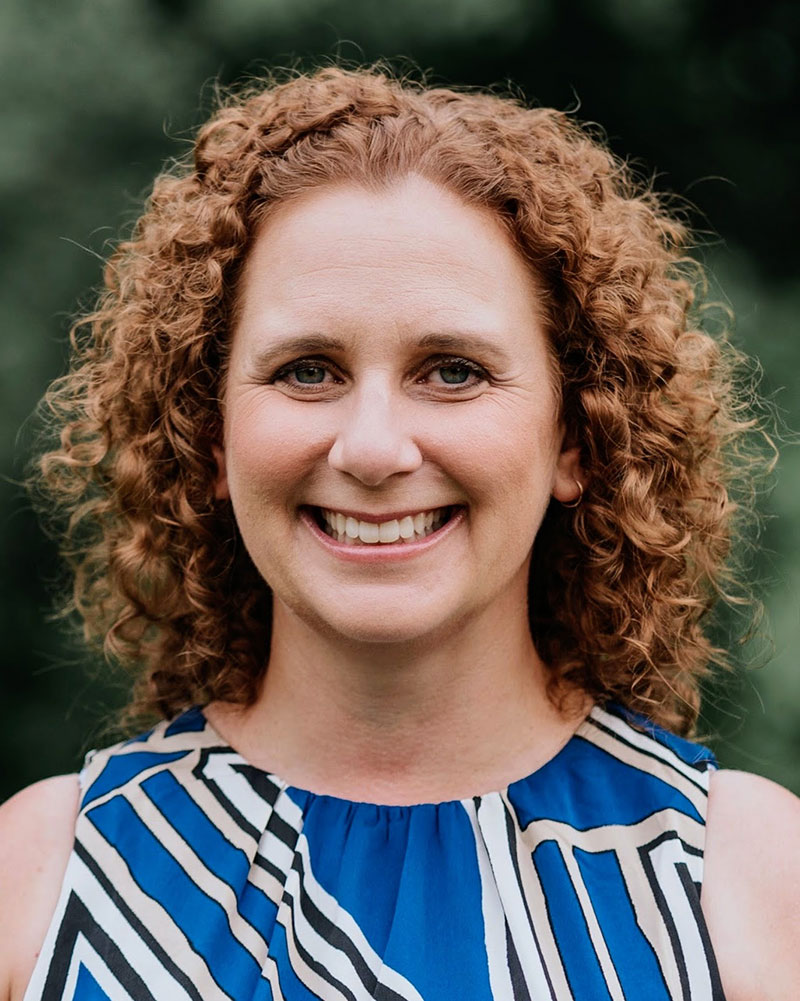
Kate W. Bauer, PhD, MS
Director, IFNHP
Professor of Nutritional Sciences, University of Michigan School of Public Health
Dr. Bauer studies the social influences on eating, food insecurity, and dignity in food assistance systems, with community-engaged research in Detroit and beyond. She directs IFNHP with a focus on translating rigorous evidence into food and nutrition policy that strengthens health and well-being.

Eric J. Brandt, MD, MHS, FACC, FAHA, FNLA
Co-Director, IFNHP
Assistant Professor of Internal Medicine, University of Michigan Medical School
Dr. Brandt is a cardiologist and health services researcher whose work connects nutrition, cardiometabolic health, and health policy. He brings a clinical and health-system perspective to IFNHP’s mission of linking evidence to policy action.
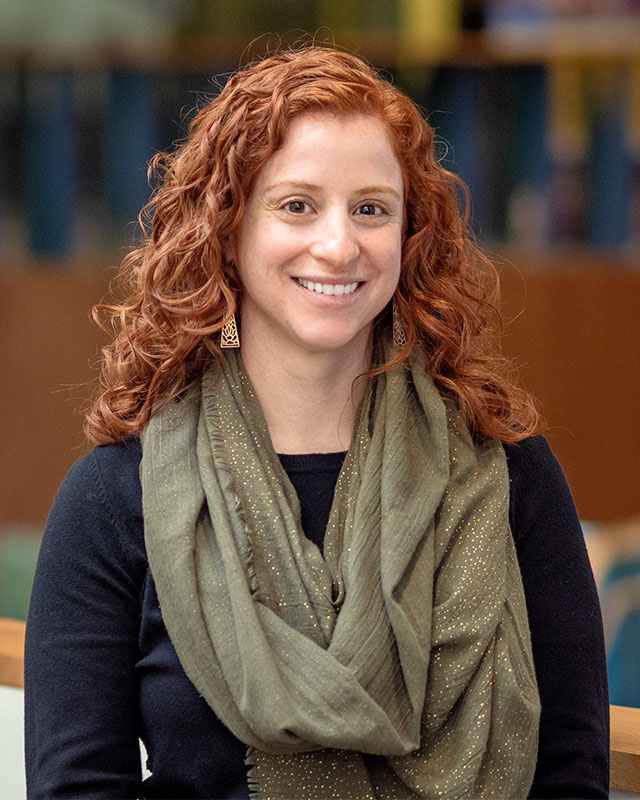
Michelle E. Clayson, MS
Institute Manager
Study Coordinator in Nutritional Sciences, University of Michigan School of Public Health
Michelle supports the Institute’s day-to-day activities. She brings over 6 years of research coordination and project management to her role.
Members and Trainees
IFNHP members and trainees bring expertise across a range of food and nutrition policy domains, including the implementation and impacts of federal, state, and local nutrition assistance programs; food as medicine interventions and infrastructure, including prescription produce, medically tailored meals, and in lieu of services within Michigan; nutrition labeling and product regulation; food and nutrition security; structural determinants of food access; ultraprocessed foods; sustainable food systems and supply chains, including rural and tribal food systems; food justice and food as a human right; medical nutrition therapy and dietary counseling; and food and nutrition policy research and evaluation methodologies.
List will automatically filter as you enter characters.
| Person Details | |
|---|---|
| William Chey, MD Division Chief Division of Gastroenterology & Hepatology, University of Michigan [email protected] |
|
| Jorge Machicado, MD, MPH Gastroenterologist, Associate Professor Department of Medicine, Division of Gastroenterology, University of Michigan [email protected] |
|
| Ambarish Pandey, MD Professor of Medicine and Director of Cardiometabolic Research Center Cardiology and Cardiometabolic Research Center, University of Michigan [email protected] |
|
| Rajiv Saran, MD, MS Professor Nephrology/Internal Medicine and Epidemiology, University of Michigan [email protected] |
|
| Nina Hill, MD, MSc IHPI National Clinician Scholar – Clinical Instructor Medical School, Internal Medicine, General Medicine, University of Michigan [email protected] |
|
| Cem Akin, MD, PhD Clinical Professor, Allergy and Immunology Medical School, internal Medicine, Allergy and Immunology, University of Michigan [email protected] |
|
| Samuel Bagenstos, JD Professor Law School and Ford School, University of Michigan [email protected] |
|
| James Buszkiewicz, PhD, MPH Research Assistant Professor Public Health, Epidemiology, University of Michigan [email protected] |
|
| Tammy Chang, MD, MPH, MS Associate Professor Medical School, Family Medicine, University of Michigan [email protected] |
|
| Grace Chen, MD, PhD Faculty HemOnc, University of Michigan [email protected] |
|
| Amanda Edmonds, MS Faculty in PitE, teaching Food Literacy for All University of Michigan [email protected] |
|
| Jennifer Garner, PhD, RD Assistant Professor Public Health, Nutritional Sciences, University of Michigan [email protected] |
|
| Ashley Gearhardt, PhD, MPhil, MS Professor Literature, Science, & the Arts, Psychology, University of Michigan [email protected] |
|
| Dina Griauzde, MD, MSc Assistant Professor Medical School, Internal Medicine, General Medicine, University of Michigan [email protected] |
|
| Pamela Herd, PhD Professor Ford School, University of Michigan [email protected] |
|
| Lesli Hoey, PhD, MRP Associate Professor Taubman College, Urban and Regional Planning Program, University of Michigan [email protected] |
|
| Scott Hummel, MD, MS Associate Professor Medical School, Internal Medicine, Cardiovascular Medicine, University of Michigan [email protected] |
|
| Noura Insolera, Ph.D, MA Assistant Research Scientist Institute for Social Research, Survey Research Center, University of Michigan [email protected] |
|
| Julie Ivy, PhD, MS Professor and Chair Industrial and Operations Engineering, College of Engineering, University of Michigan [email protected] |
|
| Andy Jones, PhD Associate Professor Public Health, Nutritional Sciences, University of Michigan [email protected] |
|
| Joyce Lee, MD, MPH Professor Medical School, Pediatrics, Endocrinology, University of Michigan [email protected] |
|
| Helen Levy, PhD Research Professor Institute for Social Research, Survey Research Center, University of Michigan [email protected] |
|
| Annelise Madison, PhD, MA Assistant Professor Literature, Science, & the Arts, Psychology, University of Michigan [email protected] |
|
| Tara Maudrie, PhD, MSPH Assistant Professor Social Work, University of Michigan [email protected] |
|
| Sofia Merajver, MD, PhD Professor PI, director of the Breast and Ovarian Cancer Risk Evaluation Program Internal Medicine, University of Michigan [email protected] |
|
| Haley Mertens, MD GI Fellow, soon to be Clinical Assistant Professor Internal Medicine–Gastroenterology, University of Michigan [email protected] |
|
| Briana Mezuk, PhD Professor Public Health, Epidemiology, University of Michigan [email protected] |
|
| Alison Miller, PhD, MA Professor Public Health, Health Behavior & Health Equity, University of Michigan [email protected] |
|
| Don Moynihan, PhD, MPA Professor Ford School of Public Policy, University of Michigan [email protected] |
|
| Lauren Oshman, MD, MPH Clinical Associate Professor Medical School, Family Medicine, University of Michigan [email protected] |
|
| Crystal Patil, Ph.D, MA Professor Nursing, CGHE, University of Michigan [email protected] |
|
| Natasha Pilkauskas, Ph.D, MPP Associate Professor Ford School of Public Policy, University of Michigan [email protected] |
|
| Greg Rybarczyk, PhD Professor MIDAS, University of Michigan [email protected] |
|
| Laura Saslow, Ph.D Associate Professor Nursing, Health Behavior and Biological Sciences, University of Michigan [email protected] |
|
| Laura Scott, Ph.D, MPH Research Professor Public Health, Biostatistics, University of Michigan [email protected] |
|
| Kendrin Sonneville, ScD, RD Associate Professor Public Health, Nutritional Sciences, University of Michigan [email protected] |
|
| Emily Treleaven, PhD, MPH Research Assistant Professor Institute for Social Research, University of Michigan [email protected] |
|
| Francesca Williamson, PhD Assistant Professor Medical School, Department of Learning Health Sciences, University of Michigan [email protected] |
|
| Susan Woolford, MD, MPH Associate Professor Medical School, Pediatrics, Ambulatory Care Program, University of Michigan [email protected] |
|
| Suzie Zick, ND, MPH Research Professor Medical School, Family Medicine, University of Michigan [email protected] |
|
| Aurianna Lajaunie, MD Resident Physician Internal Medicine and Pediatrics, University of Michigan [email protected] |
|
| Hayley Falk, PhD Postdoc (Julie Ivy) Industrial and Operations Engineering, University of Michigan [email protected] |
|
| Jessica Ruikka, MD Fellow/House Officer House Officer, Pediatrics, University of Michigan Hospitals, University of Michigan [email protected] |
|
| Muqi Guo, PhD Postdoc School of Public Health, University of Michigan [email protected] |




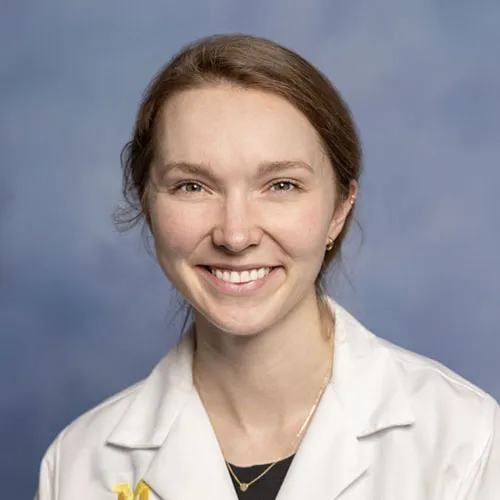















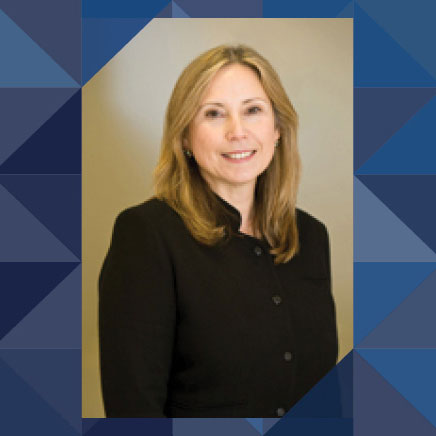
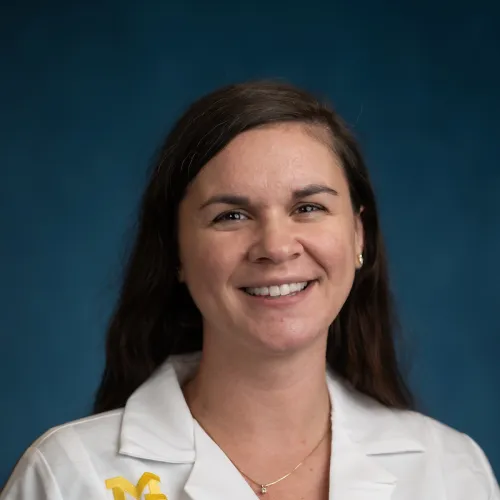
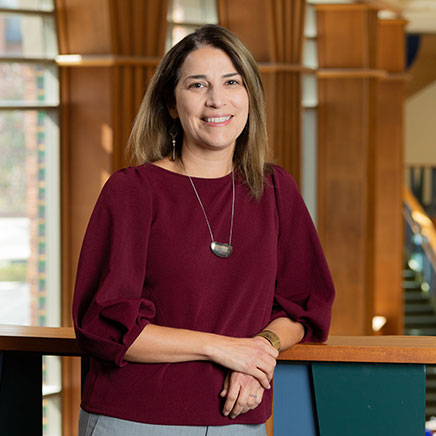
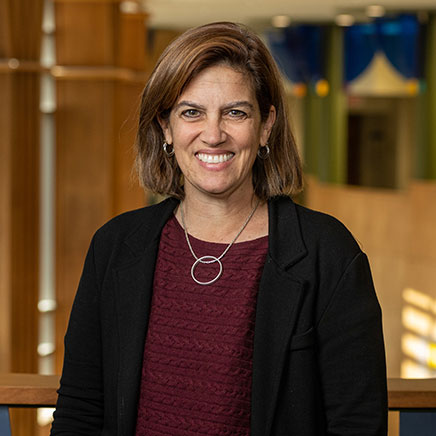










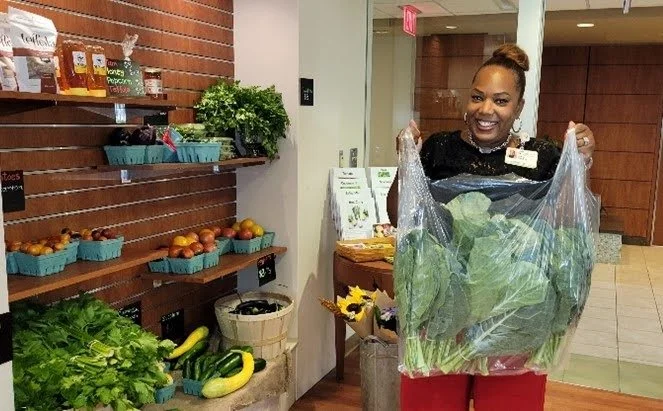
Highlight on the Program Evaluation Group at the University of Michigan
IFNHP is proud to partner with the Program Evaluation Group (PEG) in the University of Michigan’s School of Social Work. PEG partners with public and private organizations to provide evaluation, data management, and data analysis services, with staff holding expertise in qualitative and quantitative design, measurement, analysis, and reporting. PEG brings substantial experience evaluating policy-relevant food and nutrition programming, including topics spanning federal nutrition assistance, health care-based food access, and regional food supply chains.
Our Partners
We collaborate with policymakers and program administrators at the local, state, and federal levels, including departments of health and education, community-based groups, and private companies, to ensure our research addresses current policy needs and contributes to meaningful change. Below we highlight the organizations we work with and the shared projects underway.

Do a Little Good, Inc.
Do a Little Good works to improve the lives of the veterans, pets, children, and adults of northern Michigan. Today the organization runs seven pantries in seven schools to meet students’ needs, a 24/7 free-choice food pantry open to anyone, and more. Its food work grew out of participation in a parent leadership board for Feeding MI Families, a project led by Dr. Kate Bauer at the University of Michigan School of Public Health, which helped the organization recognize that people need real, barrier-free access to food.

Groundwork Center for Resilient Communities
Groundwork, a nonprofit based in Traverse City, believes that healthy food is the foundation for healthy kids and thriving communities. It engages statewide issues such as local food incentive programs for schools and early-stage policy on using food assistance dollars to purchase local food and medically tailored meals. Its Food and Farming program brings fresh local food to pantries, meal sites, and early care centers, and to a teaching kitchen, so everyone can eat well. By connecting farmers to stable local markets through schools and other institutions, food dollars continue to circulate in the community while supporting family farms. Groundwork’s programming strengthens food and nutrition security and builds confidence in local supply chains, making communities stronger and access more equitable in the face of change.
Pilot Light
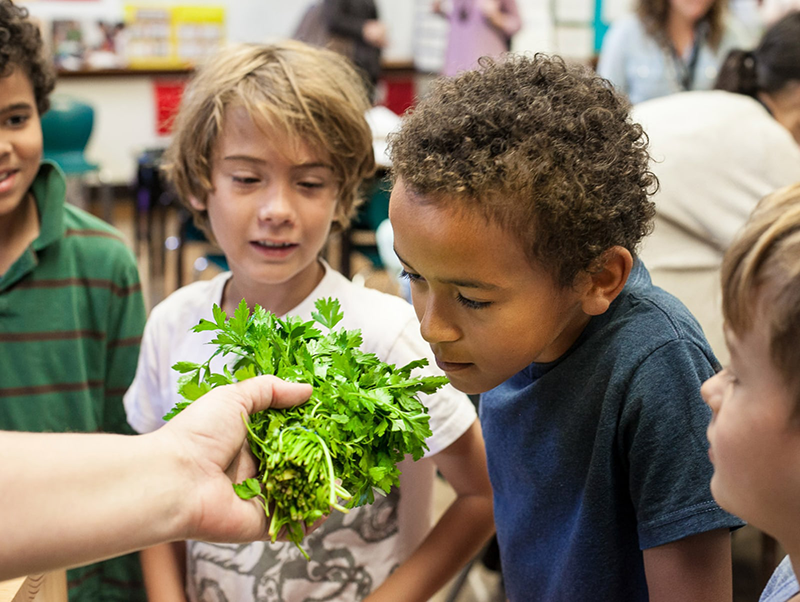
Founded in 2010 by chefs Matthias Merges, Jason Hammel, Paul Kahan, and Justin Large, Pilot Light has grown from a single Chicago classroom partnership to reach 143,000 students and more than 2,400 educators through professional development programs, partnerships, and the digital Food Education Center, a free online lesson-plan library for educators and families. Its professional development programs equip teachers to weave food literacy and its Food Education Standards into existing academic frameworks, from math and science to social studies and language arts, building a generation of food-literate leaders who shape a better food future for all.

Growing Hope
Growing Hope is a Ypsilanti, Michigan nonprofit that fosters an equitable and sustainable local food system where all people are empowered to grow, sell, buy, prepare, and eat nourishing food. Beginning with school garden development, it now runs the Growing Hope Urban Farm, a community-based garden education site, and the Ypsilanti Farmers MarketPlace, a hub for local food activity that hosts an incubator kitchen and helped pioneer Double Up Food Bucks. Growing Hope has collaborated with several IFNHP members over its history and is currently partnering with Dr. Francesca Williamson on Healing Foodways, a community-academic partnership to develop cross-sectoral, place-based food sovereignty interventions.
Detroit Food Policy Council
The Detroit Food Policy Council is a resident-led education, advocacy, and policy organization that works to build a sustainable, equitable local food system promoting food security, food justice, and food sovereignty in Detroit. Its 23 members represent food-system sectors, government, and youth, and use consensus decision-making. Its initiatives include the Detroit Grocery Coalition and the Great Grocer Project, a partnership with Wayne State University supporting independently owned neighborhood grocers. The Detroit Food Policy Council collaborates with IFNHP members through several coalitions and through support of the Sustainable Food Systems Initiative’s Food Literacy for All course.
Trinity Health Food is Medicine
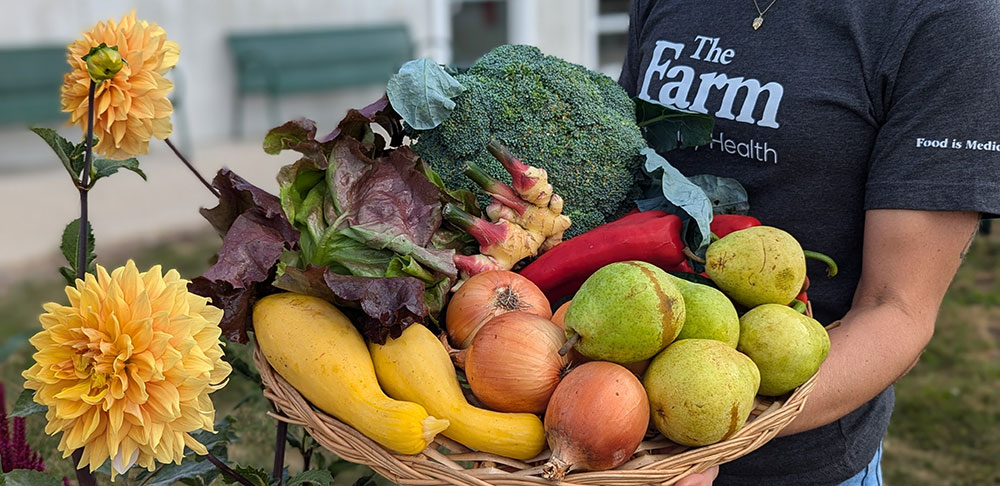
Trinity Health Food is Medicine, a core pillar of Community Health and Well-being, integrates social and clinical care by providing locally grown food to patients experiencing nutrition insecurity or managing diet-related chronic conditions. This approach targets key drivers of health disparities while improving outcomes, reducing costs, and enhancing patient experience.
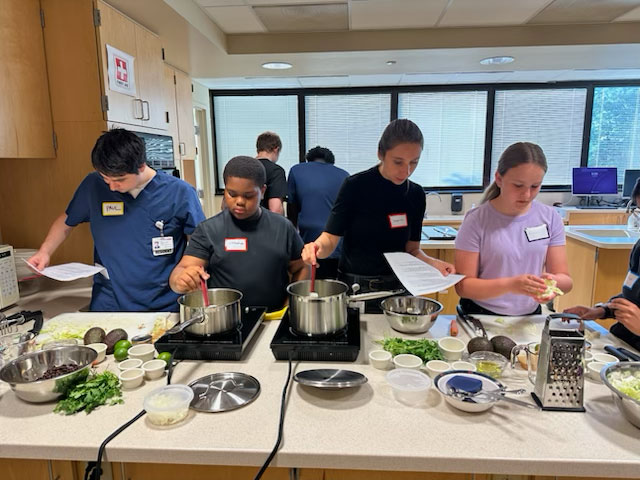
Trinity Health Ann Arbor Lifestyle Medicine
Trinity Health Ann Arbor Lifestyle Medicine delivers evidence-based programs for patients and clinicians across Michigan who are interested in preventing, treating, and reversing chronic illness. Rooted in six evidence-based pillars (eating more whole, plant foods; daily movement; restorative sleep; connection and purpose; stress management; avoiding risky substances), Trinity Health Lifestyle Medicine classes empower patients with actionable information and skills to implement the positive behavior change that promotes health. Nutrition education – delivered by registered dietitians – is a cornerstone of lifestyle medicine education. However, reimbursement is limited. We are actively advocating for state (In Lieu of Service) and federal (MNT Act) policies that increase access to evidence-based nutrition education provided by a registered dietitian.

Northwest Food Coalition
In collaboration with the University of Michigan, the Northwest Food Coalition conducted the 2025 Food Pantry Guest Survey, interviewing 50 guests at 19 food pantries in northwestern Michigan. The survey gathered data on household characteristics, food insecurity, pantry experiences, food use and cooking, fresh and local foods, and health. More than half of participants reported running out of food or skipping meals in the past year, and 70% worried about having enough food in the next 6 months. Nearly all (94%) rated volunteers very helpful, and several valued being able to select their own food at the pantry. Guests most used and most wanted protein, fruits, and vegetables.
Interested in partnering with us?
Contact Us and tell us what you are working on.
Impact and Featured Work
Walkability and Urban Foraging in Detroit — Greg Rybarczyk, PhD
New research from University of Michigan-Flint geographer and IFNHP member Greg Rybarczyk and colleagues examines urban foraging, the gathering of wild fruits, nuts, and herbs, as an overlooked food resource in Detroit, where roughly 69% of households experience food insecurity. Drawing on crowdsourced data from the Falling Fruit platform and detailed neighborhood characteristics, the team mapped foraging activity across the city and found that walkability, connected sidewalks, mixed land uses, and pedestrian-friendly streets were its strongest predictors. Notably, both affluent and car-free households foraged actively, pointing to its dual role as recreation and necessity. The findings suggest that pedestrian infrastructure investments can advance transportation equity and food-system resilience at the same time.
Citation: Rybarczyk G, Shaker RR, Starking M. Walkability and urban foraging: spatial modeling of wild food access in Detroit, Michigan. Appl Geogr. 2026;190:103955. doi:10.1016/j.apgeog.2026.103955.
Sources:
Diabetes and Mental Health Initiative — Dr. Briana Mezuk, PhD
The Diabetes and Mental Health (DMH) Initiative, led by IFNHP member Dr. Briana Mezuk (Associate Professor of Epidemiology, U-M School of Public Health), was a mixed-methods project funded by the Caswell Diabetes Institute that examined the mental health needs and care experiences of people living with diabetes, identifying modifiable gaps in psychosocial support across the lifespan. The study’s data are publicly available through ICPSR, and the work has been featured by Michigan Medicine and the U-M Medical School. Team members presented findings at the 2025 American Diabetes Association Scientific Sessions. Building on this work, Dr. Mezuk’s team is launching “Aging Well with Diabetes,” an MTRDC-funded mixed-methods study using the National Survey of American Life.
Citation: Qin W, Allen JO, Mannor KM, Rodríguez-Putnam A, Kalesnikava VA, Mezuk B. The role of emotional well-being in diabetes prevention and management. Annu Rev Nutr. 2026 May 15. doi:10.1146/annurev-nutr-061824-063618. Epub ahead of print. PMID: 42139152.
Food Insecurity and the Panel Study of Income Dynamics — Dr. Noura Insolera, PhD, MA
Dr. Noura Insolera, an IFNHP member and assistant research scientist at U-M’s Institute for Social Research, studies food insecurity using the Panel Study of Income Dynamics, the nation’s longest-running household panel survey. Her work was recently featured in the OVPR Michigan Research newsletter, where she showed how food insecurity moves sharply in response to federal policy, falling when pandemic-era SNAP benefits expanded and rising when they lapsed, underscoring why consistent long-term data still matters even as the USDA ends its annual report. She is also a co-author on a new American Journal of Clinical Nutrition study linking later-life food insecurity to substantially higher dementia risk, further demonstrating food insecurity’s consequences across the life course.
Citation: Leung CW, Insolera NE, et al. Associations between mid-life and later-life food insecurity on probable dementia in a national sample of United States adults. Am J Clin Nutr. 2026. doi:10.1016/j.ajcnut.2026.101386.
Grocery Delivery and Food Access in Detroit — Love Lundy
IFNHP member Love Lundy, a U-M graduate student in public policy, co-authored a research brief from the Center for Racial Justice and Poverty Solutions examining whether online grocery delivery can improve food access in Detroit, where 32% of residents live a mile or more from a full-service grocery store. Drawing on a representative survey of Detroit residents, the analysis found that 39% had used grocery delivery, with higher use among people facing transportation challenges and those receiving food assistance. Cost was the leading barrier, and 23% of residents with disabilities found the shopping apps difficult to use, compared to 14% without disabilities. Lundy recommends keeping food stamps redeemable online, expanding retailer participation, and improving app usability.